
 Photo by AI Generated
How to Grow a Pinterest Account in 2026 (Without Burning Out)
If you treat Pinterest like Instagram, it’ll feel slow. If you treat it like a search engine, growth starts to compound. How to grow a Pinterest account in 2026 comes down to steady posting, clean keywords, and pins people want to save.
Newer accounts also need time to build trust. Pinterest watches account history and your site’s domain quality. That’s why results often show up over months, not days. The good news is the basics still work, and they’re simple.
Start with a profile and boards that make sense to Pinterest search
 Photo by AI Generated
An organized Pinterest profile and board layout, created with AI.
Boards work like website categories. They help Pinterest understand what you post, and who should see it. Name boards using plain, searchable phrases, then add a short description with a few related keywords. Keep each board focused, because random boards can confuse your topic signals.
Also, pin new content to the most relevant board first. That first match acts like a label, and it can improve where your pin shows up in search.
Dig deeper and watch this short vlog: The Pinterest Manual For Beginners (Part 1)
Set up your profile like a mini landing page
Switch to a business account, then tighten the basics: a clear display name, a simple bio, and 1 to 2 keyword phrases that fit your niche. Next, claim your website. This can help with credibility, better analytics, and richer data about what pins drive clicks.
Build a small set of strong boards instead of 30 messy ones
Start with 5 to 10 core boards, then expand toward 15 to 30 once you see what performs. For example, a food blog could use board names like “15-minute dinners,” “high-protein snacks,” and “air fryer basics.”
Post fresh pins on a steady schedule that you can actually keep
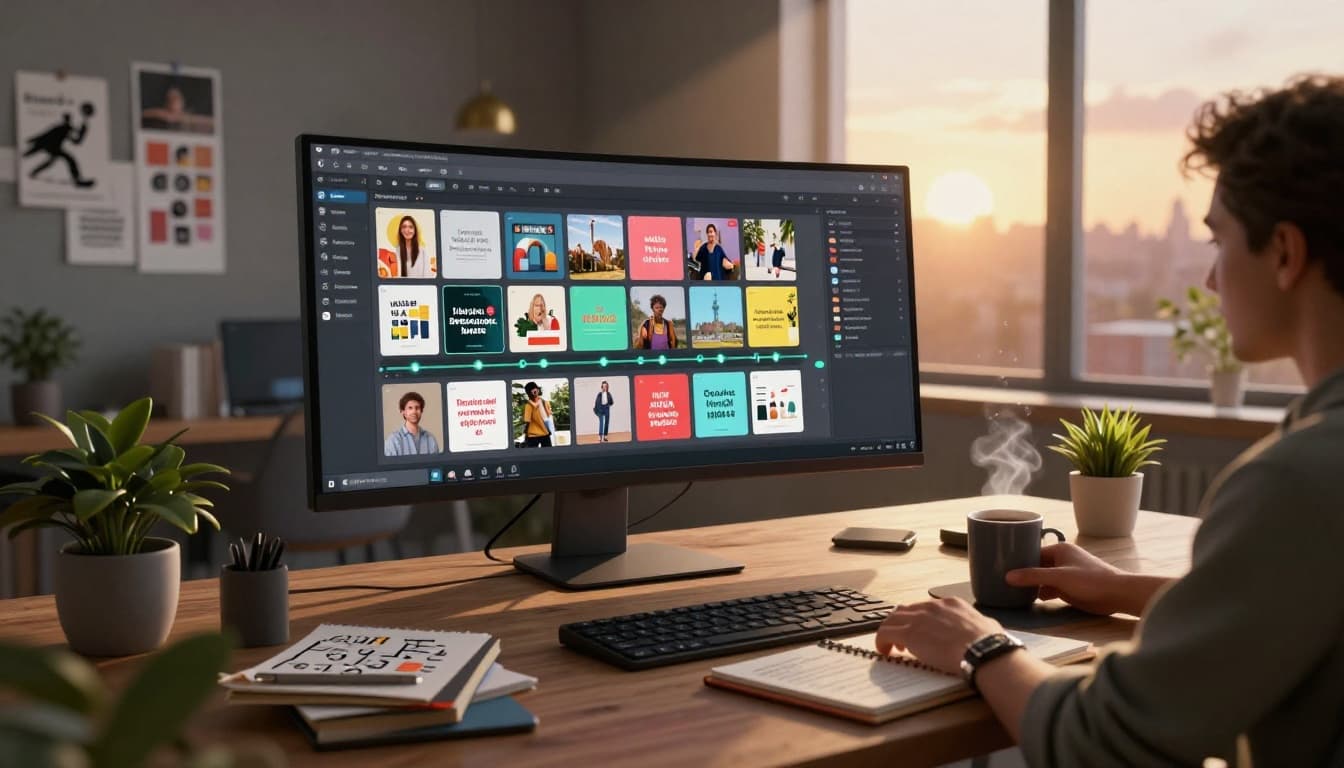 Photo by AI Generated
Batching and scheduling fresh pins for consistency.
For many accounts, 4 to 5 pins per day is a solid starting point. Stay well under 25 per day, and test what your audience responds to. Consistency beats bursts, and most accounts need 6+ months to see steady traction.
Pinterest also tends to reward fresh creative. Make multiple pin designs for the same URL, and don’t publish several new pins to the same link on the same day.
What counts as a fresh pin in 2026
A fresh pin is new creative, even if the link is old. Change the image or video, adjust the text overlay, and write a new title and description. Example: create 3 designs for one blog post, then publish them on different days over a few weeks.
Make scheduling simple so you do not burn out
Batch your work. One design day per week is enough for many creators. Use Pinterest’s scheduler where it fits, or an approved tool if you need more control. The goal is a pace you can keep during busy months.
Get more saves and clicks with pins that look good and solve one problem
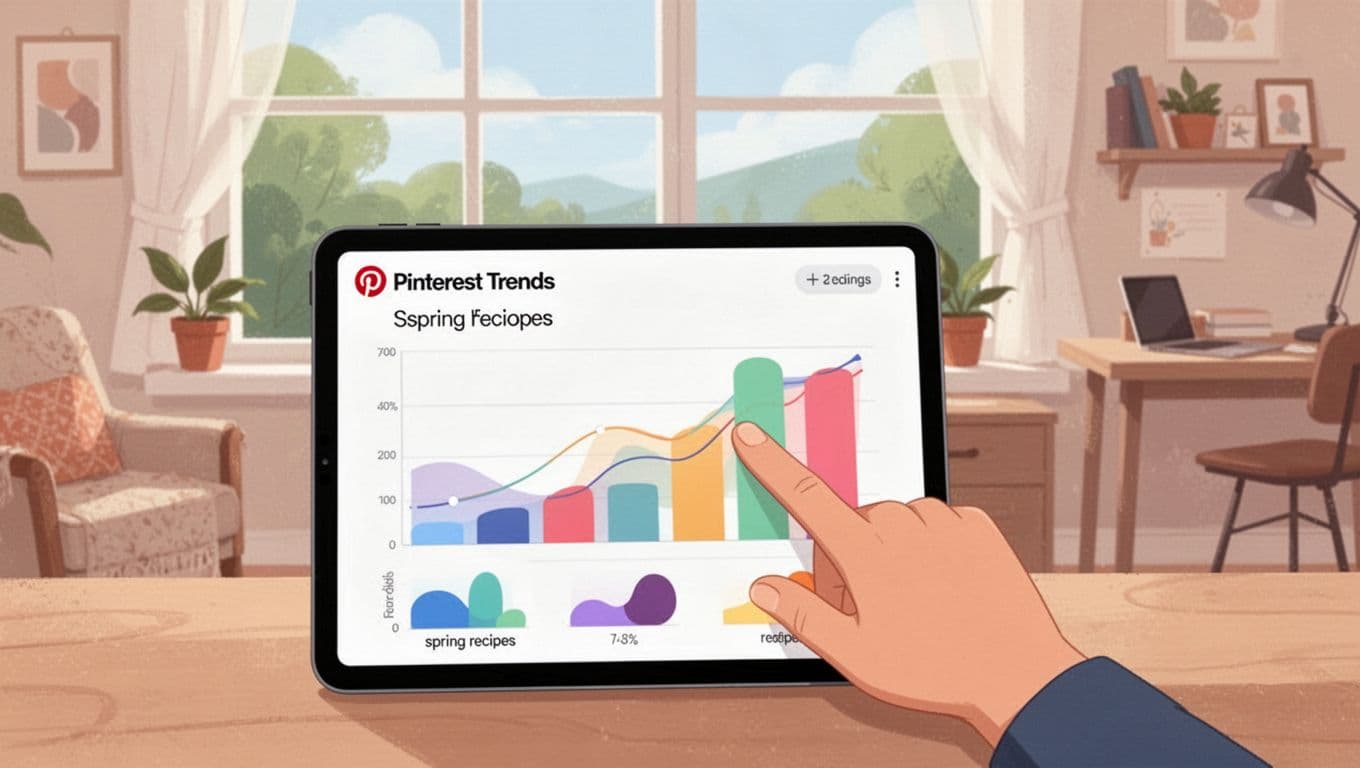
Planning content using trend signals, created with AI.
Great Pinterest growth usually follows four habits: use short video or multi-frame content when available, post consistently, test and learn, and solve one clear problem for your ideal customer. Design still matters, too. Stick to a tall format, use easy-to-read text, and make a clear promise.
Saves are a strong signal on Pinterest. When people save your pin, Pinterest is more likely to show it again.
Write titles and descriptions like a helpful search result
Use natural language. Include one main keyword, then a few related phrases. Keep it readable, and add a simple call to action like “Save this for later” or “Get the checklist.”
Use Pinterest Trends to plan content 2 to 3 months early
Pick one trend theme each month, create a small series (pins plus a short video), and publish ahead of the season. Pinterest trends often last longer than on other platforms, so early planning pays off.
Put it in Action
Want a simple 30-day starter plan?
- Week 1: Refresh your profile, claim your site, clean up boards.
- Week 2: Create 10 to 15 fresh pins from your best content.
- Week 3: Start a steady schedule you can keep.
- Week 4: Review analytics (saves, clicks, top boards), then improve what’s already working.
Expect progress over months, not days. Keep testing, and let consistency do the heavy lifting.